Practitioners can develop individualized vaccination protocols consisting of core vaccines and non-core. The new AAHA and AAFP guidelines focus on the unique life of each pet requiring a lifestyle-based vaccine calculator designed to keep patients up-to-date on their cats vaccination needs.
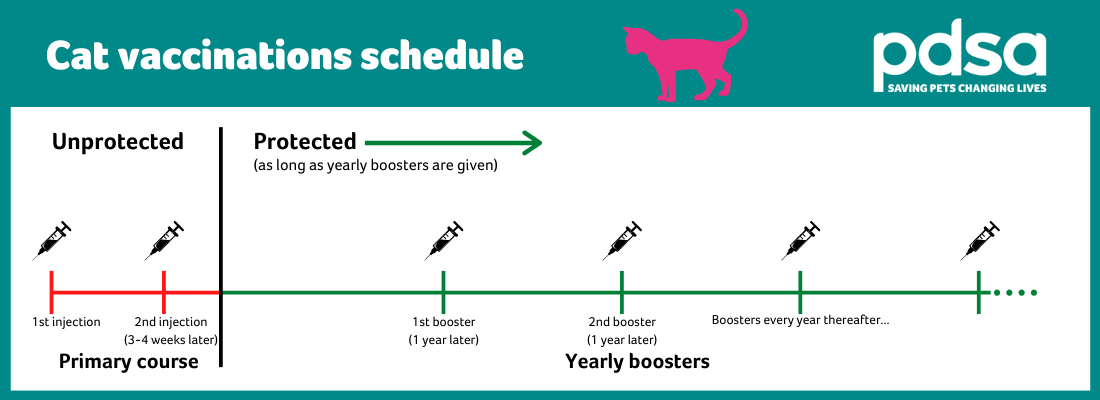 Cat Vaccines Pdsa
Adult cats at risk for FeLV exposure should be vaccinated with a single dose every 1 to 2 years as long as the risk is sustained.
Feline vaccine guidelines. The VGG aimed for the current update of the WSAVA global vaccination guidelines to adopt a more explicitly evidence-based approach so that practitioners could be made aware of the nat ure of evidence that underpins the recommendations made. Feline herpes virus and feline calicivirus. Affected cats typically show sneezing nasal discharge conjunctivitis eye discharge and mouth ulcers.
Core pet vaccines and non-core vaccines. 02 MVM 2014年 150号ワクチネーションガイドライン概要と提言 The journal of Taipei Veterinary Medical Association. These guidelines provide the most current information and recommendations for feline vaccination as determined by a Task Force of experts in feline practice.
The recommendations are evidence-guided based on current peer-reviewed literature and data and complemented by clinical insights collectively derived from decades of experience. The American Animal Hospital Association AAHA and the American Association of Feline Practitioners AAFP released the 2020 AAHAAAFP Feline Vaccination Guidelines to the veterinary community which are published in the Journal of Feline Medicine and Surgery. Cats should be tested as soon as.
The best way to stay on schedule with vaccinations for your dog or cat is to follow the recommendations of a veterinarian you trust. Interim clinical considerations for North American companion-animal vaccination practice during the COVID-19 pandemic Click to access the 2013 AAFP Feline Vaccination Advisory Panel Report. Currently the recommendation for indooroutdoor cats is to administer the FVRCP vaccine annually.
And pet vaccinations like those for humans may sometimes require a booster to keep them effective. A physical examination fecal parasite screen and vaccine needs assessment should be performed at least yearly for all cats. Download - 2006 Feline Vaccine Guidelines Download - 2006 Feline Vaccine Guidelines Summary.
While there are certain mandatory or core vaccines for cats there are also noncore vaccines for different lifestyles or vaccines that are only recommended during the kitten years. The guidelines also include new vaccination protocols for shelter-housed cats setting you up for success when adopting or fostering a formerly shelter. To European recommendations for feline vaccination Lloret 2009.
Like people pets need vaccines. Your veterinarian is your best resource for figuring out the best vaccine routine for your feline family member but this chart will help you understand the basics. This virus commonly referred to as feline AIDS causes the immune system to weaken.
For indoor-only cats the recommendation is to administer the vaccine every three years. Feline Herpesvirus 1 Feline Calicivirus and Feline Panleukopenia Virus Vaccines For initial kitten vaccination 16 weeks one dose of parenteral vaccine containing modified live virus MLV FHV1 FCV and FPV is recommended every 3-4 weeks from 6-8 weeks of age with the final booster being given no sooner than 16 weeks of age. Table 1 outlines the vaccination priorities to consider when designing a comprehensive life stage-targeted wellness plan for a cat.
Adult cats with unknown vaccination history should also receive a single dose of killed or recombinant rabies vaccine. In general we recommend that kittens receive a single dose of killed or recombinant rabies vaccine at 12-16 weeks of age. Vaccination Guidelines Article Michael Day - Japanese.
Chances are your vets suggestions will break down into two categories. The American Association of Feline Practitioners AAFP recently published the third version of the Feline Vaccine Advisory Panel Report Richards and colleagues 2006. Vaccines for feline herpes virus FHV-1 and feline calicivirus FCV are always combined as these two viruses together are the main causes of upper respiratory tract infections in cats cat flu.
Although vaccines are available for FeLV in many countries and for FIV in some countries identification of infected cats remains an important factor for preventing new infections. 2 My opinion is that a maximum 6-week interval between doses can be applied to both dogs and cats without jeopardizing immunologic outcome. The Advisory Panel included experts in immunology infectious disease internal medicine and clinical practice.
The retrovirus status of every cat at risk of infection should be known. Cats heading into stressful situations such as boarding may benefit from a core vaccine booster 7-10 days before. Feline Rabies Virus Vaccines Cats are important in the epidemiology of rabies in the US.
FeLV vaccination is not recommended for adult cats kept strictly indoors. Current feline vaccination guidelines recommend 3- to 4-week interval between doses during initial vaccination series for kittens. As much as possible the information reported here was based on information from studies in peer-reviewed publications.
The guidelines assign approved feline vaccines to core recommended for all cats and non-core recommended based on an individualized riskbenefit assessment categories. A new vaccine known as Fel-O-Vax FIV was just approved by the USDA for use against the feline immunodeficiency virus FIV.


